
Why We Went Allergen-Clean in Our Kitchen
Striving to Thrive
Parenting with food allergies — one day at a time, with systems that make it possible.
Food allergies have taught me that safety isn’t about being perfect. It’s about reducing the number of ways a normal day can go wrong.
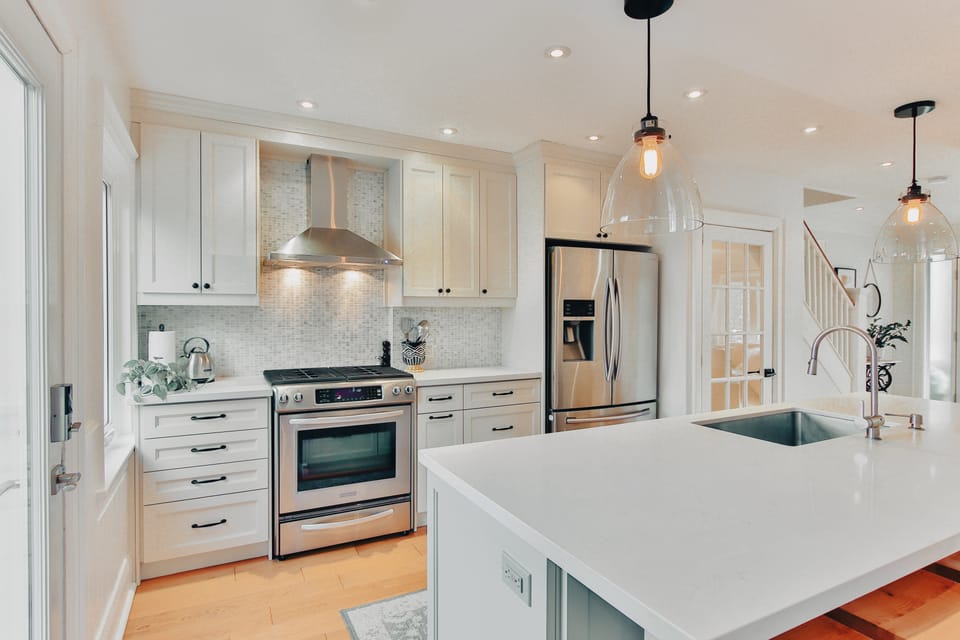
For us, that meant making the kitchen allergen-clean for everyone.
The era of mix-and-match
When allergies first came up for our son, we tried a blended approach. We kept allergy-safe options for him and kept allergens for the rest of the family.
A simple example: cow’s milk for our daughter, and pea or oat milk for our son.
On paper, it sounds manageable. In real life, especially when the kids were young and both parents were working full time, it was fragile. The kind of fragility that doesn’t show up as a big, dramatic moment. It shows up as:
- tired hands grabbing the wrong cup
- a shared utensil without thinking
- a countertop that becomes a little too “mixed use” on a busy weeknight
The risk wasn’t worth it.
The problem wasn’t effort. It was complexity.
We weren’t careless. We were trying.
But “just be careful” is not a system. It’s a request layered onto already-busy days. And when you run multiple food worlds in one kitchen, you multiply opportunities for mix-ups and cross-contact.
Why we needed the kitchen to be clean
There was also another practical reason we made this shift when we did: we were deep in diagnosis and treatment decisions.
In that season, we needed to control variables. When something was off, we needed to be able to trust what food had been in the environment. We weren’t trying to be extreme. We were trying to be clear.
A cleaner kitchen gave us a cleaner baseline.
At this point, the allergens we keep out of our home kitchen are eggs, milk/dairy, flaxseed, cashews, and hazelnut. Earlier on, the list was even larger (it included wheat, coconut, soy, sesame, and mango), which is part of why a mixed kitchen felt so fragile. Keeping our baseline clean reduced both risk and guesswork.
What “allergen-clean” means in our house
When I say allergen-clean, I don’t mean perfect or sterile. I mean our day-to-day kitchen defaults are built around safety and simplicity.
For us, that looks like:
- the foods in our kitchen are allergy-friendly for our household
- we don’t keep the highest-risk allergens in our everyday kitchen flow
- our routines assume we’re tired sometimes, and they still hold
It’s not about making life small. It’s about making home feel predictable.
What changed when we went all-in
The benefit wasn’t just safety. It was mental load.
When the kitchen is allergen-clean:
- there are fewer “special cases” to remember
- there are fewer accidental mix-ups
- there is less vigilance required in routine moments
- our son feels less singled out at home
One shared system is more reliable than a system that depends on everyone being careful 100% of the time.
The tradeoffs (because they’re real)
This approach isn’t easier in every way. It means we say no to some convenient defaults. It means we choose substitutes more often. It means we adjust.
There’s also a real feeling of sacrifice in this. We love eggs for breakfast. This isn’t a change we made because we wanted to. We made it because the reduction in risk is worth it for us in this season. As we move through diagnosis and treatment, having a home baseline we can trust makes everything feel less fragile.
A note on applying this to your own home
Every family’s allergy list, risk profile, and comfort level is different. Some families won’t want or need a fully allergen-clean kitchen. For us, in the season we were in, it was the right call.
I’m not a medical professional. This post reflects personal experience and is shared for informational purposes only. Please consult your allergist or healthcare team for guidance specific to your situation.